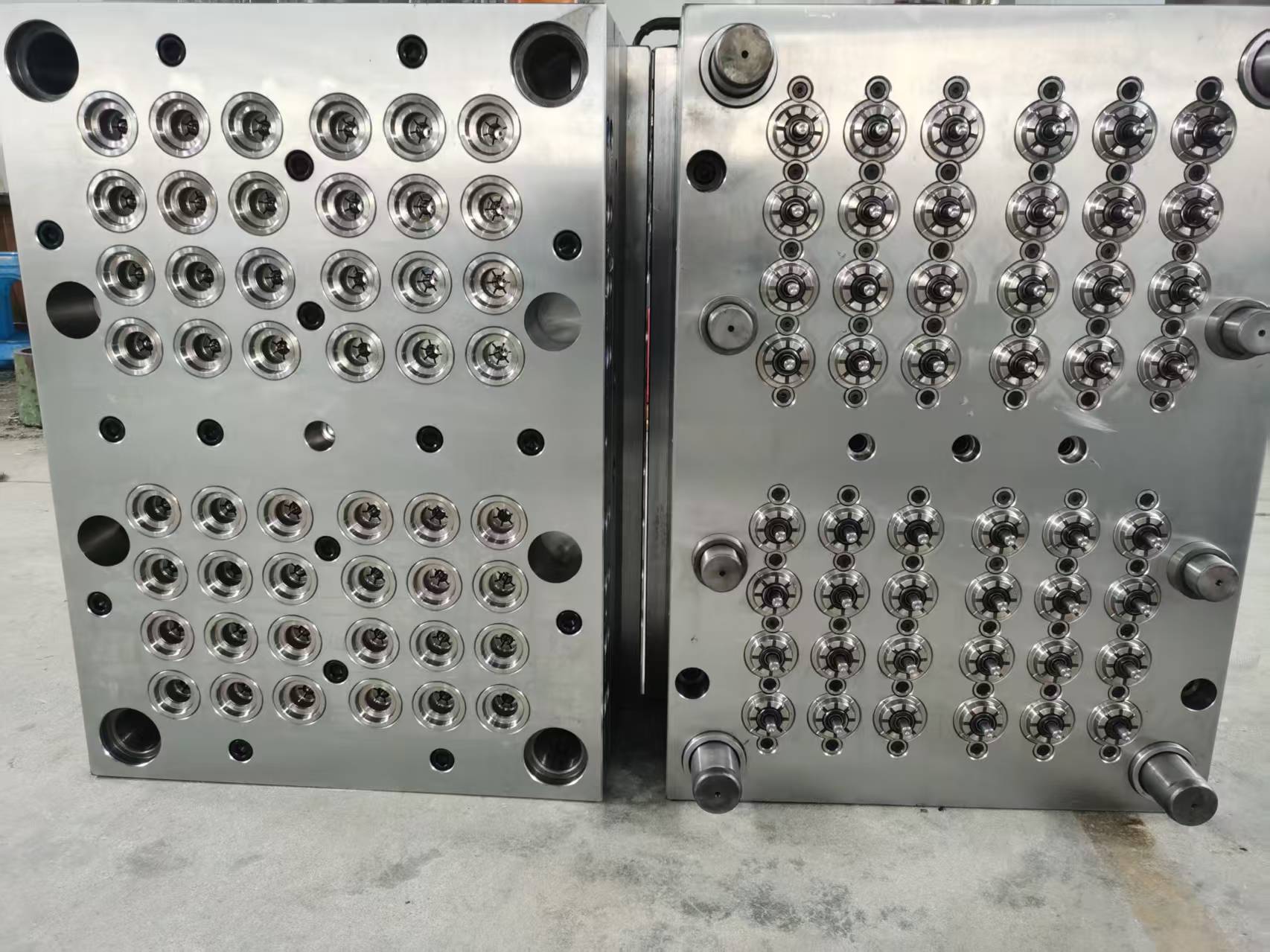
5 Essential Maintenance Practices to Extend the Service Life of Plastic Cap Injection Molds
By Berni Mould – Precision PET Preform & Plastic Cap Mold Solutions Partner
In high-speed beverage, pharmaceutical, and consumer goods manufacturing, plastic cap injection molds endure continuous stress. Operating under high clamp forces, rapid cycle times, and demanding injection pressures, even the highest-quality hardened steel tooling experiences thermal wear, mechanical friction, and resin residue buildup. For high-volume closure manufacturers, sudden mold wear translates directly to dimension deviation, cap leakage, strip threads, or costly unplanned downtime.
At Berni Mould, as a specialized manufacturer of high-precision PET preform molds and plastic cap molds, we recognize that delivering world-class tooling is only the first step. Long-term production efficiency relies heavily on systematic preventive maintenance. Implementing rigorous care protocols safeguards your initial capital investment, maintains strict dimensional accuracy, and maximizes your mold’s operational lifespan.
Below, our engineering team breaks down the five core maintenance practices essential for extending the service life of high-cavitation plastic cap injection molds.
1. Establish Rigorous Surface Cleaning and Polymer Residue Removal
Plastic resins like HDPE and PP often release volatiles, additives, and micro-debris during high-temperature injection. Over time, gas venting paths become clogged, leading to cap short shots, burning, and elevated cavity pressure.
- Routine Venting Cleanout: Periodically clear gas vents using non-abrasive brass scrapers or specialized ultrasonic cleaning systems. Avoid carbon steel tools that can scratch polished cavity surfaces.
- Controlled Solvent Application: Use residue-free industrial degreasers to remove off-gassing buildup without damaging mirror-polished core surfaces or specialized optical coatings.
- Dry Ice Blasting for In-Machine Cleaning: For quick turnarounds between production shifts, non-abrasive CO2 dry ice cleaning effectively strips deposits from complex cap thread profiles without disassembling the tool.
2. Optimize and Flush Cooling Channels to Prevent Thermal Degradation
Consistent cooling efficiency directly influences plastic cap cycle times and dimensional stability. Mineral scale, rust, and bio-debris buildup inside cooling channels restrict water flow and cause uneven mold surface temperatures, accelerating localized thermal stress and localized mold cracking.
- Regular De-Scaling Treatments: Flush mold cooling circuits with chemical descaling solutions every 3 to 6 months depending on water quality.
- Flow Rate Monitoring: Periodically test water flow volume and pressure drop across cavity plates to detect localized blockages early.
- Water Treatment: Utilize closed-loop treated water with anti-corrosion and anti-microbial additives to protect internal cooling passages over decades of service.
3. Inspect, Lubricate, and Calibrate Ejection and Unscrewing Mechanisms
Plastic cap molds rely on complex mechanical systems—such as stripper plates, slider cores, and hydraulic or servo-driven unscrewing gearboxes—to release internal threads cleanly. Mechanical friction without adequate lubrication leads to galling, binding, and catastrophic plate alignment failures.
- Food-Grade Lubrication Strategy: Apply high-temperature, food-compliant lubricants to guide pins, bushings, slide mechanisms, and ejector pins to prevent grease contamination on molded caps.
- Thread Core Alignment Checks: Regularly verify rotational torque and axial clearance on unscrewing cores to prevent thread stripping and mechanical binding during high-speed demolding.
- Wear Plate Replacement: Monitor friction pads and bronze wear strips, replacing worn components before metal-to-metal contact scores primary core plates.
4. Implement Preventive Inspection of Seals, Hot Runner Systems, and Hydraulics
Hot runner systems in closure molds must maintain precise temperature profiles to ensure balanced melt delivery across high-cavitation layouts (e.g., 24, 32, or 48 cavities). Thermal fluctuations or leaking valve gates severely strain mold components.
- Valve Gate & Nozzle Tip Care: Inspect valve pins and nozzle tips routinely for wear or carbonization to maintain clean gate break points on the cap crown.
- Heater and Thermocouple Audits: Measure electrical resistance across hot runner zones to spot deteriorating heating elements before they fail mid-run.
- O-Ring & Hydraulic Seal Refresh: Replace heat-resistant rubber seals and hydraulic O-rings during planned teardowns to avoid water or oil leaks into mold cavities.
5. Standardize Post-Production Care and Corrosion-Proof Storage Protocols
Considerable mold damage occurs outside the injection press due to improper teardown, ambient humidity, or careless storage practices.
- Mold Cavity Rust Protection: Spray cavities, cores, and parting lines with food-safe anti-rust agents immediately after removing the mold from the press.
- Controlled Storage Environment: Store molds in temperature-controlled, low-humidity storage facilities to eliminate ambient condensation risks on critical steel surfaces.
- Digital Maintenance Logbook: Document every shot cycle milestone, repair, component replacement, and maintenance event to enable predictive care based on historical mold wear data.
Partnering with Berni Mould: Engineered for Durability and Performance
Preventive maintenance extends mold life, but long-term reliability starts with precision engineering. At Berni Mould, we integrate high-durability tool steels (such as S136 and 2344), optimized conformal cooling layouts, and advanced anti-corrosion surface treatments into every mold we build.
Whether you require high-cavitation PET preform molds with minimal wall-thickness variation or complex plastic cap injection molds featuring tamper-evident band forming and fast-cycle unscrewing designs, Berni Mould provides end-to-end tooling expertise. We support our global packaging clients with tailored technical guidance, ready-to-ship spare components, and custom mold designs built for millions of uninterrupted cycles.
Ready to upgrade your packaging production lines or extend your existing tooling performance? Contact the technical team at Berni Mould today to explore our custom PET preform and plastic closure mold solutions.